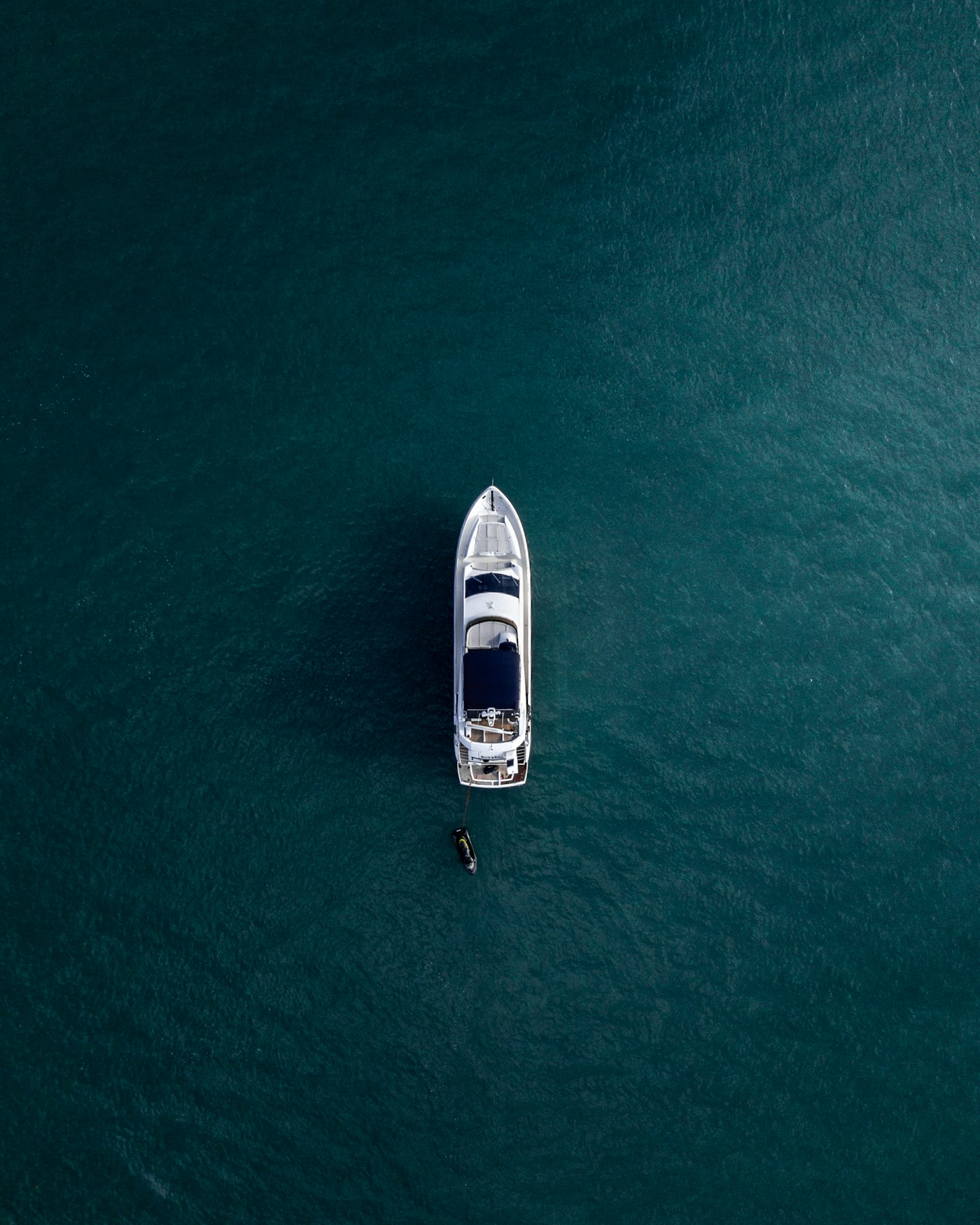
Best Time for Snorkeling in Marbella: Season & Tips
Marbella's snorkeling peaks from June to September with 20-26°C water, 30m visibility, and calm coves. Spring and autumn offer fewer crowds but cooler temps. Here is the best time for snorkeling Marbella.
The 30-second answer
June to September is the best time for snorkeling Marbella, with water temperatures between 20 and 26 degrees C, visibility up to 30 metres, and calm conditions in the sheltered coves. You get warm days, minimal wind, and a decent chance of spotting marine life. Spring (April-May) and autumn (October) can be good if you prefer fewer people and don't mind cooler water, but winter is a non-starter unless you own a drysuit. The peak season means more boats on the water, but the trade-off is comfort and clarity. If you are hiring a boat for a day trip, you want to pick a window that gives you the best of both worlds.
Water temperature and comfort
You are not going to enjoy snorkeling if the water feels like a cold bath. Marbella's Mediterranean coast warms up slowly. In April and May, the sea sits around 16 to 18 degrees C, which is brisk. By June it hits 20 to 22 degrees C, and July through September it peaks at 24 to 26 degrees C. October drops back to 20 degrees C, and by November you are looking at 16 degrees C again. For most people, 22 degrees C and above is comfortable for an hour or so without a wetsuit. If you go in spring or autumn, a 3mm shorty makes a big difference. The warmest months also coincide with the highest air temperatures, so you can dry off quickly on the deck of your charter boat. If you are booking a boat rental in Marbella, aim for July or August for maximum comfort, or late June and early September for a balance of heat and lower crowds.
Visibility and underwater conditions
Visibility matters more than temperature for spotting fish and rocks. The best time for snorkeling Marbella in terms of clarity is July through September, when the water is calm and plankton levels are lower. You can see 15 to 30 metres on a good day. Spring brings more algae and occasional storms that stir up sediment, dropping visibility to 5 to 10 metres. Autumn can be good if the Levante wind stays away, but October often sees a drop-off. The key factor is wind. The Poniente wind blows from the west and keeps the sea flat, while the Levante from the east kicks up waves and murky water. Check the forecast before you go. For the clearest conditions, head to sheltered spots like Cala del Faro or the coves near Cabopino, where the water stays glassy even on breezy days. If you are on a charter, your skipper will know the local conditions and can adjust the route.
Marine life and what you see
You are not going to find coral reefs in Marbella, but the rocky seabeds and seagrass meadows host a surprising amount of life. In summer, you get damselfish, wrasses, sea bream, and the occasional octopus hiding in crevices. Moray eels are common in the deeper spots, and if you are lucky you might see a stingray gliding over the sand. The best time for snorkeling Marbella to see juvenile fish is late spring to early summer, when many species spawn. From July onward, the water warms and you get more activity around the rocky outcrops. The Strait of Gibraltar, a short boat ride west, is famous for dolphins, but for snorkeling you stay closer to shore. The marine life along the Costa del Sol is seasonal, so if you want to maximise sightings, go in August when the water is at its warmest and the fish are most active. A good skipper can take you to the best spots, like the reefs off Estepona or the rocky points near Sotogrande.
Weather and wind patterns
Marbella's climate is Mediterranean, which means hot, dry summers and mild, wet winters. For snorkeling, you want days with light wind and no rain. June to September delivers that most of the time. Average air temperatures range from 25 to 30 degrees C, and the sun is strong, so bring reef-safe sunscreen. The Levante wind can blow in spring and autumn, making the sea choppy and reducing visibility. July and August are the calmest months, with the Poniente wind dominating. September can be a mixed bag, but the first half is usually stable. If you are planning a day trip, book a BoatHire24 charter that includes a skipper who knows the local weather patterns. They can avoid the exposed areas when the wind picks up. Morning sessions tend to have the flattest water, before the sea breeze kicks in around midday. Afternoon snorkeling is still fine, but the wind can ruffle the surface by 3pm.
Crowds and boat traffic
Marbella is a busy place in July and August. Puerto Banús and Marbella Marina see heavy boat traffic, which means more noise and wake in the water. If you are snorkeling from a charter boat, your skipper will take you to quieter coves away from the main channels. Cala del Faro and the area around Cabopino are less crowded than the central coast. Spring and autumn have far fewer boats, so you can find secluded spots without jostling for space. The trade-off is water temperature and visibility. If you value peace over warmth, May and October are solid choices. For the best time for snorkeling Marbella with a balance of comfort and solitude, try the first two weeks of June or the last two weeks of September. The water is still warm, the tourists are thinner, and the marine life is still active. Just check the wind forecast before you commit.
Best spots for snorkeling by season
Different spots work better at different times of the year. In spring, the water is cooler, so you want shallow, sun-warmed coves. The area near Río Verde in Marbella has a sandy bottom with some rocks, and it warms up quickly. In summer, the rocky points south of Estepona offer deeper water and more fish. The best beaches for snorkeling in Marbella include La Cala de Mijas and the coves near Sotogrande, which have good visibility in July and August. In autumn, stick to the sheltered bays like those around Cabopino, where the wind has less effect. Winter is not recommended, but if you are determined, the only viable option is a very calm day in a shallow, protected cove with a thick wetsuit. Your best bet is to hire a boat and let the skipper decide based on the day's conditions. They know the local seabed and can adjust the anchor spot to give you the best experience.
What to bring and safety tips
You need a mask, snorkel, and fins. A wetsuit is optional in summer but recommended in spring and autumn. A 3mm shorty adds comfort without restricting movement. Bring a rash guard for sun protection, because the Mediterranean sun reflects off the water and burns quickly. A dry bag keeps your phone and towel safe on the boat. For safety, never snorkel alone, even in calm coves. Stay within sight of your boat and watch for boat traffic. Marbella's coast has rocky areas with sharp edges, so wear booties or aqua shoes if you are entering from the shore. If you are on a boat charter in Marbella, the skipper will brief you on currents and hazards. The main risk is the Levante wind, which can blow you away from the boat if you drift. Stay close to the shore or the boat, and use a brightly coloured float or buoy if you are in open water. Most charters provide basic gear, but check beforehand.
Boat hire options for snorkeling trips
You can reach the best snorkeling spots by hiring a boat from Puerto Banús, Marbella Marina, Cabopino, Estepona, Sotogrande, or Benalmádena. Motor yachts and catamarans are popular because they have plenty of deck space and shade. RIBs and speedboats are faster, so you can cover more ground and reach remote coves quickly. Sailing yachts are quieter, which some people prefer, but they are slower. All charters include a licensed skipper, so you do not need a licence. Prices vary by boat size and season, but expect from around EUR 400 for a half-day on a small RIB to EUR 1,500 for a full day on a 40-foot motor yacht. For snorkeling, a half-day trip is usually enough, but a full day lets you visit multiple spots and have lunch on board. Book in advance during July and August, as availability drops. BoatHire24 offers a range of options with transparent pricing and no hidden fees.
Common questions
What is the best month for snorkeling in Marbella? August offers the warmest water at 24-26 degrees C and the best visibility, but July and early September are also excellent with slightly fewer crowds.
Do I need a wetsuit for snorkeling in Marbella? In summer (June-September), a wetsuit is optional for most people. In spring and autumn, a 3mm shorty is recommended. In winter, a full 5mm wetsuit is necessary but still uncomfortable.
Can I see dolphins while snorkeling? Dolphins are rare in the immediate snorkeling areas, but you can often spot them on the boat ride to the Strait of Gibraltar. The skipper might adjust the route if dolphins are reported nearby.
Is snorkeling safe for beginners in Marbella? Yes, if you stick to calm coves with shallow water and no currents. Hire a boat with a skipper who knows the safe spots. Always wear a life jacket or buoy if you are not a strong swimmer.
What marine life can I expect to see? Common sightings include damselfish, wrasses, sea bream, octopus, moray eels, and sometimes stingrays. Seagrass meadows attract small fish and occasional seahorses, though they are rare.
How long does a typical snorkeling trip last? Half-day charters (4 hours) are common and allow 1-2 hours of snorkeling plus cruising. Full-day charters (8 hours) give you time for multiple spots and a lunch break.
Which departure port is best for snorkeling? Puerto Banús and Marbella Marina are central and close to good coves. Cabopino and Estepona are quieter and nearer to rocky reefs. Sotogrande is best for deeper water spots. Benalmádena is convenient if you are staying in the eastern Costa del Sol.
Snorkeling from a RIB versus a catamaran
The boat you choose affects your snorkeling experience more than you might think. A RIB or speedboat gets you to the best spots fast, which matters when the wind is due to pick up at 2pm. You can zip from Puerto Banús to Cala del Faro in 15 minutes, drop anchor in a quiet cove, and be in the water before the crowds arrive. The downside is limited shade and deck space. A catamaran gives you a stable platform, plenty of room to gear up, and a shaded area to rest between dips. The trade-off is speed: a 40-foot catamaran cruises at around 8 knots, so you spend more time travelling. For a half-day trip, a RIB is usually better if you want maximum snorkeling time. For a full day with lunch and multiple spots, a catamaran wins. Prices reflect this: a half-day RIB charter starts from around EUR 400, while a catamaran for a full day is typically from EUR 1,200. Your skipper will anchor in shallow, sandy areas near rocks, so the boat type mainly affects your comfort between swims.
Snorkeling near Estepona and the Strait of Gibraltar
Estepona offers some of the best snorkeling on the Costa del Sol, partly because it is less developed than Marbella. The rocky seabed near the old town holds good numbers of fish, and the water is often clearer than around Puerto Banús because there is less boat traffic. Head to the area around the Estepona Marina or the coves west of the town. The real draw is the proximity to the Strait of Gibraltar, where the Atlantic meets the Mediterranean. The mixing currents bring nutrients that attract marine life, and on a calm day you can see schools of bream and occasional rays. The best time for snorkeling Marbella and Estepona is the same June to September window, but Estepona tends to be a few degrees cooler in the water because of the Atlantic influence. If you are hiring a boat from Sotogrande or Estepona, your skipper can take you to the rocky points near Punta de la Doncella, where the visibility often hits 20 metres in August. The Strait itself is better for dolphin watching than snorkeling, but the coves on the Spanish side are worth a visit.
Costs and booking tips for snorkeling charters
You do not need to spend a fortune to get a good snorkeling trip. A half-day RIB charter for up to 6 people costs from around EUR 400 in June, rising to EUR 500 in August. A half-day motor yacht for up to 8 people starts from EUR 700. Catamarans for a full day begin at EUR 1,200. These prices include the skipper, fuel, and basic safety equipment. Snorkeling gear is not always included, so ask before you book. Some charters provide masks and fins for free, others charge EUR 10-20 per set. Book at least two weeks ahead in July and August, especially for weekends. Weekday trips are easier to arrange and sometimes cheaper. If you are flexible, check the wind forecast two days before and book a last-minute slot, which can save you 10-20 percent. For the best time for snorkeling Marbella with lower prices, aim for the last week of June or the first week of September. The water is still warm, but the peak season surcharges have not started or have ended. BoatHire24 lists prices transparently on each boat page, so you can compare without emailing multiple operators.
Snorkeling with kids and family groups
Snorkeling in Marbella works well for families, but you need to pick the right conditions. Kids get cold faster and lose interest quicker. Stick to July and August when the water is at 24-26 degrees C and the air is hot. Choose a sheltered cove like Cala del Faro or the beach near Cabopino, where the water is shallow and calm. A half-day charter on a catamaran or motor yacht gives you space for children to rest and a cabin to change in. RIBs are less suitable because they have no shade and the ride can be bumpy. Most skippers are happy to anchor in a bay with sandy access, so kids can wade in rather than jump off the boat. Bring child-sized masks and snorkels, because adult gear leaks and frustrates beginners. A 2mm wetsuit for children adds warmth and buoyancy. For safety, keep kids within arm's reach and use a floating ring or buoy. The best time for snorkeling Marbella with young children is late July, when the sea is at its warmest and the days are longest. Avoid windy days, because choppy water makes it hard for kids to breathe through a snorkel.
Snorkeling at sunset and night
Sunset snorkeling is a different experience. The light changes, the water glows, and some fish become more active. In Marbella, the sun sets over the sea, so you get a golden hour that lasts from around 8pm to 9pm in summer. The water is still warm from the day, and the wind usually drops. You see fewer boats and more calm. The main challenge is visibility, which drops as the light fades. Stick to shallow, sandy areas where you can see the bottom. Night snorkeling is possible but not common on charter boats, because most trips end by 7pm. If you arrange a private charter, some skippers will take you out for a sunset session with a snorkel stop. Bring a waterproof torch or use the boat's deck lights. You might see nocturnal species like squid or octopus moving around. The best time for snorkeling Marbella at sunset is July and August, when the sun sets late and the water is at its warmest. Book a half-day charter starting at 4pm, so you have time to cruise, snorkel, and watch the sunset from the boat. It is a quieter, more relaxed way to see the coast.
Related guides
- The Best Time to Charter a Boat in Marbella
- Snorkeling Coves Marbella: Hidden Gems by Boat
- Family Snorkeling Marbella: Safe Spots for Kids
- Snorkeling Tours Marbella: Guided Adventures
- Best Time to See Dolphins in Marbella: A Complete Guide
- Dolphin Species in Costa del Sol: What You Might See
Own a boat? How Much Can I Earn Renting My Boat?.
Frequently Asked Questions
What is the best month for snorkeling in Marbella?▾
August offers the warmest water at 24-26 degrees C and the best visibility, but July and early September are also excellent with slightly fewer crowds.
Do I need a wetsuit for snorkeling in Marbella?▾
In summer (June-September), a wetsuit is optional for most people. In spring and autumn, a 3mm shorty is recommended. In winter, a full 5mm wetsuit is necessary but still uncomfortable.
Can I see dolphins while snorkeling?▾
Dolphins are rare in the immediate snorkeling areas, but you can often spot them on the boat ride to the Strait of Gibraltar. The skipper might adjust the route if dolphins are reported nearby.
Is snorkeling safe for beginners in Marbella?▾
Yes, if you stick to calm coves with shallow water and no currents. Hire a boat with a skipper who knows the safe spots. Always wear a life jacket or buoy if you are not a strong swimmer.
What marine life can I expect to see?▾
Common sightings include damselfish, wrasses, sea bream, octopus, moray eels, and sometimes stingrays. Seagrass meadows attract small fish and occasional seahorses, though they are rare.
How long does a typical snorkeling trip last?▾
Half-day charters (4 hours) are common and allow 1-2 hours of snorkeling plus cruising. Full-day charters (8 hours) give you time for multiple spots and a lunch break.
Which departure port is best for snorkeling?▾
Puerto Banús and Marbella Marina are central and close to good coves. Cabopino and Estepona are quieter and nearer to rocky reefs. Sotogrande is best for deeper water spots. Benalmádena is convenient if you are staying in the eastern Costa del Sol.