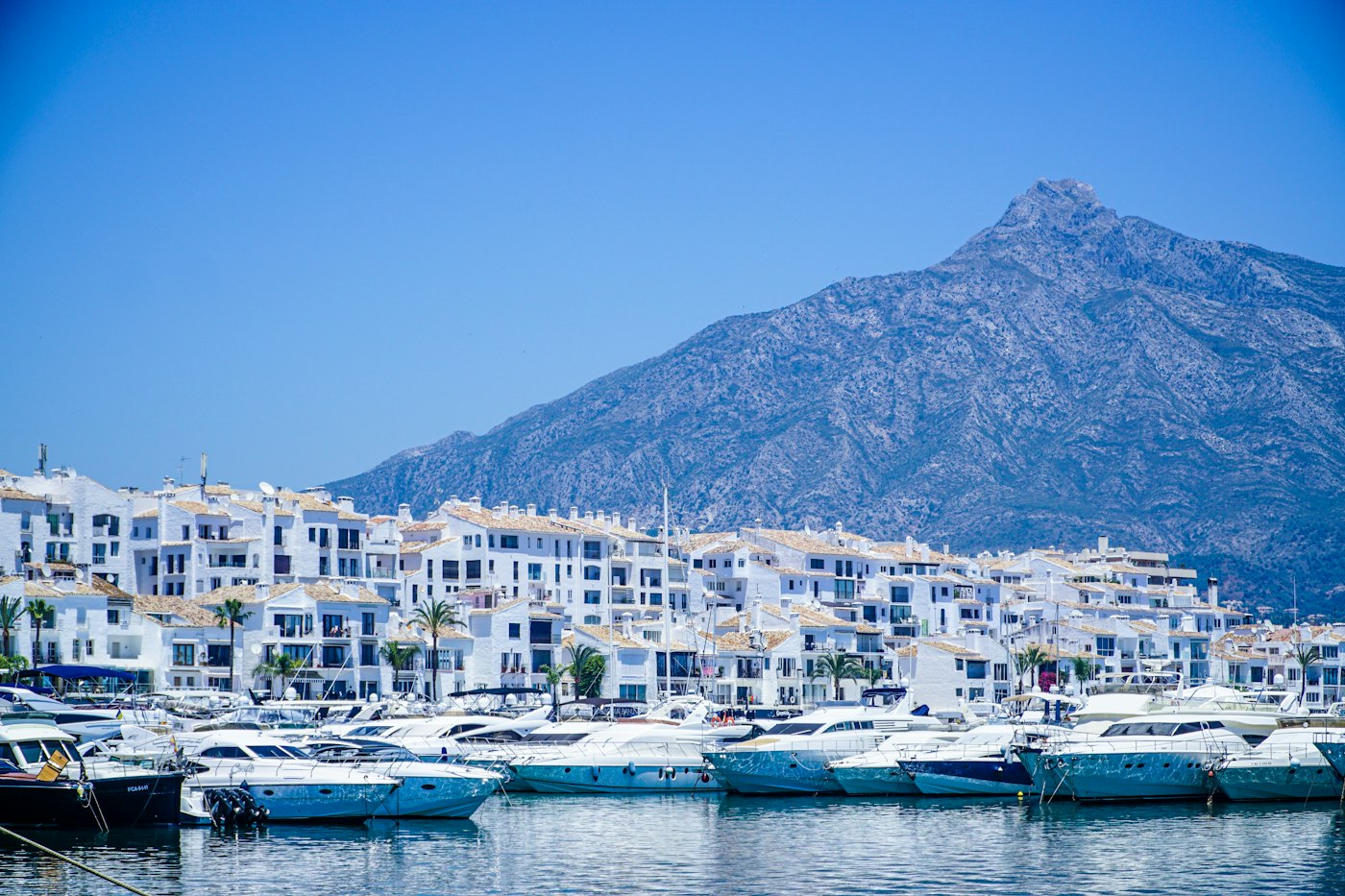
Fishing Trip Marbella: Catch Tuna & More
Book a fishing trip Marbella: target bluefin tuna, dorado, and seabass from Puerto Banús. All charters include skipper, tackle, and catch-and-release options. Prices from EUR 200.
The 30-second answer
A fishing trip Marbella is your best bet for bluefin tuna, dorado, and seabass in the Costa del Sol. You can book a half-day or full-day charter from Puerto Banús, Marbella Marina, or Estepona, and every trip includes a licensed skipper, top-quality tackle, and bait. Prices start from around EUR 200 per person for a shared boat or EUR 600 for a private charter. The season runs May to October, but you can catch something year-round. Just don't expect to land a 400-kilo tuna on your first go.
Why Marbella is a fishing hotspot
Marbella sits right on the Strait of Gibraltar migration route. That means bluefin tuna, albacore, and bonito pass through in spring and summer, followed by dorado and seabass in the warmer months. The Mediterranean side offers calmer waters for beginners, while the Atlantic side near Estepona has stronger currents and bigger fish. You also get the benefit of the Gulf of Cádiz, which pushes nutrient-rich water into the area. So the fishing is not just good, it's consistent.
Local skippers know the spots: the underwater ridges off Cala del Faro, the drop-offs near Cabopino, and the deep channels around the Strait. They use sonar and local knowledge to find the schools. If you want to go after the big tuna, you need a serious boat with a fighting chair and heavy tackle. Most charter boats in Marbella have that. For lighter fishing, like seabass or mackerel, a simple half-day trip will do.
One thing to note: the wind can pick up in the afternoon, especially in summer. That's why most skippers recommend morning departures. You get flat seas and a better chance of action. If you're prone to seasickness, take a pill before you go. The water temperature ranges from 14°C in winter to 25°C in August, so dress accordingly.
For more on the local scene, check our blog for seasonal tips and gear advice.
Types of fish you can target
Let's be clear: the main draw is bluefin tuna. Marbella is one of the best places in Europe to catch them, with specimens up to 400 kg. But you can also target:
- Bluefin tuna, May to October, peak in June and July. Use live bait or trolling lures.
- Dorado (mahi-mahi), June to September, often near floating debris. They fight hard and taste great.
- Seabass, Year-round, best in spring and autumn. Use jigs or soft plastics.
- Albacore and bonito, May to August, fast and fun on light tackle.
- Red snapper and grouper, Bottom fishing near reefs, year-round.
- Mackerel, Easy to catch, great for kids or beginners.
If you're after a specific species, tell the skipper when you book. They can choose the right gear and location. For example, tuna fishing requires heavy rods, reels with 80-lb drag, and a boat with a fighting chair. Dorado fishing is lighter, with spinning gear and poppers. And seabass fishing is all about jigging over rocky bottoms.
Some charters offer catch-and-release, especially for tuna. Others let you keep your catch, and the skipper can recommend a local restaurant that will cook it for you. Just ask beforehand.
Best fishing spots around Marbella
The fishing grounds around Marbella are varied, and each spot has its own character:
- Puerto Banús, The most popular departure point. From here, you can reach the deep waters of the Strait in 20 minutes. Good for tuna and dorado.
- Marbella Marina (Puerto Deportivo), Closer to the town, with easy access to the coastal reefs. Good for seabass and bottom fishing.
- Cabopino, A quieter port, ideal for half-day trips. The nearby Cabopino reef holds snapper and grouper.
- Estepona, Closer to the Atlantic, with stronger currents and bigger tuna. Also good for albacore.
- Sotogrande, A bit further south, near the Gibraltar Strait. Excellent for bluefin and marlin in season.
- Benalmádena, East of Marbella, with access to the deeper Mediterranean waters. Good for mixed fishing.
Each port has its own charter fleet. The boats range from 6-metre RIBs to 15-metre sportfishers. For tuna, you want a boat with a fighting chair, outriggers, and a live bait well. For lighter fishing, a smaller boat will do. Most skippers speak English and Spanish, and they know the local regulations.
If you're staying in Marbella town, the easiest option is to depart from Puerto Banús or Marbella Marina. Both have parking and are close to hotels and restaurants. For a more exclusive experience, try Sotogrande, which is quieter but still has good fishing.
You can search all available boats on our search page to compare options.
What to expect on a fishing charter
A typical fishing trip Marbella starts at 7 or 8 AM. You meet the skipper at the port, sign a waiver, and get a safety briefing. The boat will have a toilet, a small cabin, and a sun deck. You'll be provided with rods, reels, tackle, and bait. Some charters include drinks and snacks, but it's best to bring your own water and sunscreen.
The skipper will head to the fishing grounds, usually 20 to 30 minutes from port. They'll set up the lines and explain the technique. For trolling, you'll have several lines out with lures or live bait. For bottom fishing, you'll drop a weighted rig to the seafloor. The skipper will handle the boat and the fish-finder, so you can focus on the action.
When a fish hits, the fight can last anywhere from 10 minutes to an hour. For big tuna, the skipper will strap you into a fighting chair and coach you through it. It's a workout. For smaller fish, you can stand and reel. The skipper will gaff the fish and bring it on board. Then you can take photos, and either release it or keep it for dinner.
At the end of the trip, the skipper will clean and fillet your catch if you want. Some charters offer a barbecue on the beach or at a local restaurant. That's a nice touch, but check when booking.
For more details on what to bring and how to prepare, see our blog on fishing gear and tips.
How to book a fishing trip Marbella
Booking is straightforward. You can reserve online through BoatHire24 or directly with a charter company. We recommend booking at least a week in advance, especially in summer. Half-day trips (4 hours) cost from around EUR 200 per person for shared boats, or EUR 600 for private charters. Full-day trips (8 hours) range from EUR 350 per person shared to EUR 1,200 private. Prices vary by boat size, season, and target species.
When you book, specify the number of anglers, the target fish, and any special requirements (like catch-and-release or dietary needs). Most charters take up to 6 people, but some larger boats can take 12. Children are welcome on most trips, but check the age limit.
Payment is usually 30% deposit at booking and the rest on the day. Cancellation policies vary, but most allow free cancellation up to 48 hours before. If the weather is bad, the skipper will cancel and refund you. Always check the forecast before you go.
You can also book a private charter for a group or a corporate event. That gives you more flexibility on timing and itinerary. Some skippers offer half-day trips for beginners, with simple gear and easy targets like mackerel.
If you're unsure which boat to choose, use our search page to filter by price, boat type, and departure port.
Best time of year for fishing in Marbella
The season for big game fish runs from May to October. That's when the water temperature is above 18°C, and the tuna and dorado are around. July and August are the peak months for bluefin, but they can be caught as early as April and as late as November. For seabass and bottom fish, you can fish year-round, though winter can be slow.
Spring (March to May) is good for seabass and mackerel. The water is cooler, but the fish are active. Summer (June to August) is the busiest season, with the best chance of tuna and dorado. Autumn (September to November) is still good for tuna, and the crowds thin out. Winter (December to February) is quiet, but you can still catch grouper and snapper on calm days.
The wind is the main factor. The Levante wind (easterly) can make the sea rough, especially in the Strait. The Poniente (westerly) is lighter and better for fishing. Most skippers check the wind forecast and will advise you if conditions are poor. If you're flexible, you can reschedule.
For the best experience, book a morning trip in late spring or early autumn. The weather is mild, the fish are biting, and the ports are less crowded.
Local tips and etiquette
Here are a few things to know before you go:
- Bring sun protection, The sun in Marbella is strong, even in spring. Wear a hat, sunglasses, and SPF 50.
- Tip the skipper, 10-15% of the charter fee is standard if the service is good.
- Respect the fish, If you plan to release, use circle hooks and avoid fighting the fish too long. The skipper will handle the release.
- Don't drink too much, Alcohol and sun don't mix well. Stay hydrated with water.
- Be on time, The skipper will wait, but you'll miss the best fishing time if you're late.
Also, remember that fishing regulations in Spain require a licence for recreational fishing. Most charters include a temporary licence in the price, but check when booking. The minimum size for bluefin tuna is 30 kg, and there are bag limits for other species. The skipper will know the rules, so follow their advice.
If you want to combine fishing with sightseeing, some charters offer a mix of fishing and coastal cruising. You can fish for a few hours, then stop for a swim at a secluded cove. That's a good option if you're travelling with non-anglers.
For more local tips, check our blog on Marbella fishing guides and boat recommendations.
Common questions about fishing trips in Marbella
Q: Do I need a fishing licence?
A: Most charters include a temporary licence in the price. Confirm with the skipper when booking.
Q: Can I keep the fish I catch?
A: Yes, but there are size and bag limits. The skipper will help you follow the regulations.
Q: What if I get seasick?
A: Take a motion sickness pill an hour before departure. Most boats have a cabin where you can rest.
Q: Is fishing good in winter?
A: It's slower, but you can still catch seabass, grouper, and snapper on calm days.
Q: Can I bring my own gear?
A: Yes, but most charters provide high-quality tackle. It's often better to use theirs.
Q: What happens if the weather is bad?
A: The skipper will cancel and refund you or reschedule. Check the policy when booking.
Q: Are children allowed?
A: Yes, on most charters. Some have a minimum age of 6 or 8. Ask when booking.
What kind of boat you actually need for tuna
If you are serious about bluefin, do not book a 6-metre RIB. You need a proper sportfisher, at least 10 metres, with a fighting chair bolted to the deck. A 400-kilo tuna will pull a small boat sideways, and you will lose it if the boat cannot turn and chase. The best boats for big game in Marbella are the Hatteras 60 or the Viking 52, both available from Puerto Banús and Sotogrande. These have twin diesels, outriggers, a live bait well, and a tuna tower for spotting schools. Prices for a full-day private charter on a boat like that start from around EUR 1,500. For lighter fishing, like seabass or mackerel, a 7-metre RIB from Cabopino or Estepona will do fine, and you pay from around EUR 300 for a half-day.
Some skippers offer a "tuna experience" where you share the boat with up to four other anglers. That brings the cost down to EUR 250-350 per person, but you get less time in the chair. If you hook a big fish, you rotate. That works if you are a solo traveller or a couple. For a group of four, a private charter is better value because you control the fight time. Always ask the skipper how many rods they run. Some boats run six lines, which means more chance of a hook-up but also more tangles.
How the wind and current affect your catch
The Levante wind is the enemy of a good fishing trip Marbella. It blows from the east, often for three to five days straight, and kicks up a short, choppy sea that makes everyone queasy. The fish still feed, but the boat moves too much for comfortable jigging or bottom fishing. The Poniente wind from the west is your friend. It flattens the sea and pushes warm surface water towards the coast, which brings the baitfish and then the predators. Most skippers will not go out if the Levante is above 20 knots. They will either cancel or switch to a sheltered spot like the lee of Cabopino reef.
The current in the Strait of Gibraltar runs at up to 4 knots, which is fast. That means you need heavy weights to get your bait down, and the boat must drift with the current to keep the lines straight. Experienced skippers use a technique called "drifting with the tide" where they motor up-current and then cut the engines, letting the boat drift over known hotspots. This works well for red snapper and grouper around the rocky pinnacles near Cala del Faro. If you are trolling for tuna, the skipper will run the boat at 6-8 knots across the current, using the outriggers to spread the lures.
What you actually pay for a fishing trip Marbella
Let us break down the real costs. A half-day shared charter (4 hours) for tuna or dorado from Puerto Banús costs from around EUR 200 per person. That includes the skipper, fuel, tackle, bait, and a temporary licence. A full-day shared charter (8 hours) is EUR 350-400 per person. Private half-day charters start at EUR 600 for a 7-metre boat and go up to EUR 1,200 for a 12-metre sportfisher. Full-day private charters range from EUR 1,000 to EUR 2,500, depending on the boat and the target species. For superyacht-level fishing, say a 20-metre vessel with a crew of three, you pay from EUR 4,000 per day.
Extra costs you should budget for: tips (10-15% of the charter fee), food and drinks (most boats provide water and soft drinks, but not lunch), fish cleaning (some skippers do it for free, others charge EUR 20-30), and a restaurant to cook your catch (around EUR 15-25 per person for preparation). If you want to keep the fish and ship it home, ask the skipper for a local fishmonger who can vacuum-pack and courier it. That costs extra, usually EUR 50-100 for a box of fillets.
Best ports for different fishing styles
Puerto Banús is the king of big-game fishing. The charter fleet there has the biggest boats, the most experienced skippers, and the shortest run to the tuna grounds. You can be in 200 metres of water within 20 minutes. The downside is the cost. Everything is more expensive in Banús. Marbella Marina is a good alternative if you want bottom fishing or seabass. The reefs are closer, and the prices are lower. Cabopino is the best for a relaxed half-day trip. The port is small, the boats are basic but well-maintained, and the fishing is good for snapper and mackerel.
Estepona is the port for Atlantic fishing. From here, you can reach the deeper waters off the Strait where the big tuna and marlin roam. The run is 30-40 minutes, but the reward is bigger fish. Sotogrande is the most exclusive option. It is a private marina with high-end sportfishers and a quieter atmosphere. The fishing grounds are similar to Estepona, but the boats are newer and the service is more personalised. Benalmádena is further east and better for mixed fishing, but the run to the tuna grounds is longer, about 45 minutes. If you are staying in Fuengirola or Torremolinos, it is a convenient choice.
Related guides
- Marbella Fishing Season Species by Month: Catch Guide
- Snorkel Boat Trip Marbella: Best Reefs & Coves
- Fishing Boat Rental Marbella: Self-Guided Trips
- Family Fishing Marbella: Kid-Friendly Charters
- Best Time to See Dolphins in Marbella: A Complete Guide
- Dolphin Species in Costa del Sol: What You Might See
Own a boat? Samboat Alternative for Owners.
Frequently Asked Questions
Do I need a fishing licence for a fishing trip in Marbella?▾
Most charters include a temporary recreational fishing licence in the price. Confirm with the skipper when booking, as regulations vary by species.
Can I keep the fish I catch on a Marbella fishing trip?▾
Yes, but there are size and bag limits. Bluefin tuna must be at least 30 kg. The skipper will help you follow local regulations.
What if I get seasick during the trip?▾
Take a motion sickness pill an hour before departure. Most boats have a cabin where you can rest. The skipper can also advise on calmer spots.
Is fishing good in winter in Marbella?▾
It's slower than summer, but you can still catch seabass, grouper, and snapper on calm days. Book a morning trip for the best conditions.
Can I bring my own fishing gear?▾
Yes, but most charters provide high-quality tackle. It's often better to use theirs, as they have gear suited to local species.
What happens if the weather is bad on the day?▾
The skipper will cancel and refund you or reschedule. Check the cancellation policy when booking. Most allow free cancellation up to 48 hours before.
Are children allowed on fishing charters in Marbella?▾
Yes, on most charters. Some have a minimum age of 6 or 8. Ask when booking, as some trips target larger fish that may be unsuitable for young kids.
Related articles

Marbella Fishing Season Species by Month: Catch Guide

Deep Sea Fishing Charter Marbella: Ultimate Adventure

Bandido Sport-Fishing Charter Marbella — Offshore Deep-Sea Fishing